
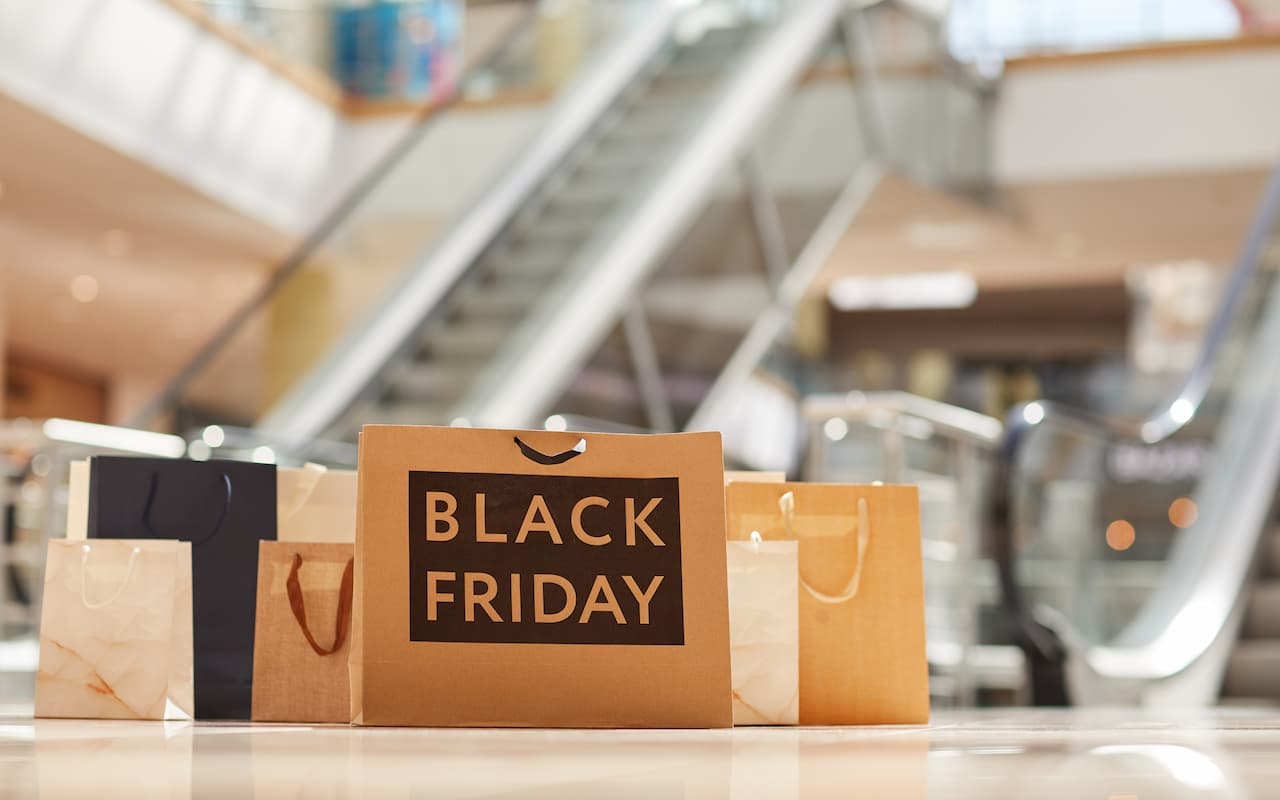
Black Friday creates one of the busiest shopping opportunities of the year for businesses with physical stores, showrooms, pop-up shops, and other in-person sales environments. Customers often arrive ready to purchase, but they may also be comparing prices, searching for specific deals, and deciding where to spend their budgets. The key to Black Friday Sales is to combine compelling promotions with thoughtful customer interactions. With the right preparation, businesses can increase revenue without relying on excessive discounts that damage profit margins.
1. Start With Clear Revenue Goals
Before launching any Black Friday promotion, determine what you want the event to accomplish. A clear target gives your sales team a measurable objective and helps you make better decisions about promotions and inventory.
Your goals might include increasing total revenue, improving average transaction value, selling specific products, attracting new customers, or moving seasonal inventory.
Set targets for both sales volume and profitability. A promotion that generates significant revenue may not be successful if the associated discounts reduce margins too heavily.
You should also establish goals for individual sales associates when appropriate. These targets can encourage employees to stay focused while giving managers a way to identify which approaches are producing the strongest results.
2. Design Limited-Time Promotions
Limited-time promotions can give shoppers a strong reason to purchase immediately. Black Friday customers already expect special pricing, so a clearly defined offer can help your business compete for attention.
Consider offering discounts on selected products rather than reducing prices across the entire store. This allows you to highlight specific items while protecting margins on other products.
You can also use time-based promotions. For example, a particular offer could be available during the morning, while another promotion becomes available later in the day.
This approach can encourage customers to act without requiring your business to maintain the same discount throughout the entire event.
The most effective Black Friday sales strategies use promotions strategically rather than treating discounts as the only reason for customers to buy.
3. Create Product Bundles
Bundles can increase the value of each transaction by combining complementary products into a convenient package.
For example, a retailer selling electronics could combine a primary device with useful accessories. A clothing store could create complete outfits. A beauty retailer could package several related products into a gift set.
The bundle should provide a clear benefit. Customers should understand why the products work well together and how purchasing them as a package saves time or provides additional value.
Sales associates can make bundles even more effective by presenting them as solutions rather than simply displaying them as discounted collections.
Ask customers what they need, then recommend a bundle that matches their situation.
4. Train Employees to Upsell Naturally
Upselling can increase the value of a transaction when the higher-priced product genuinely provides additional benefits.
Sales associates should not automatically push customers toward the most expensive option. Instead, they should identify what the customer values and explain which features may justify an upgrade.
For example, a customer buying a basic product may benefit from a more durable version if they plan to use it frequently. Another customer may prefer a premium version because they are purchasing a special gift.
Employees should be trained to explain differences clearly and let the customer make the final decision.
Effective upselling feels like helpful advice rather than pressure.
5. Use Cross-Selling to Complete Purchases
Cross-selling gives sales associates an opportunity to recommend products that complement the customer’s primary purchase.
The recommendation should be relevant. If a customer purchases a product that requires an accessory, mentioning that accessory can be useful. If a customer is buying a gift, suggesting wrapping or a complementary item may add convenience.
Sales associates should explain the benefit of the additional product rather than simply asking whether the customer wants to buy something else.
This creates a more natural conversation and can increase the total transaction value without requiring deeper discounts.
6. Offer Exclusive In-Store Deals
Exclusive offers can give customers a reason to visit a physical location instead of shopping entirely online.
Consider creating promotions that are available only to customers who visit the store during specific hours. You could offer early access to selected products, special bundles, complimentary services, or additional savings for loyalty members.
Exclusive offers can also make customers feel that they are receiving something special.
Sales associates should communicate these benefits clearly as customers enter the store. Signage can attract attention, while personal explanations can help shoppers understand which offers are most relevant to them.
7. Personalize Customer Interactions
Personalization is one of the strongest advantages of in-person selling. A sales associate can ask questions and immediately adapt recommendations based on the customer’s answers.
Start by understanding what the shopper wants to accomplish. Are they buying a gift? Looking for a specific product? Shopping within a certain budget? Replacing something they already own?
Once you understand the goal, narrow down the available choices.
Returning customers can receive an even more personalized experience. If customer preferences are available through a loyalty program or customer relationship system, employees may be able to use that information to provide more relevant recommendations.
The interaction should always feel helpful rather than intrusive.
8. Create Genuine Urgency
Urgency can encourage customers to make decisions, especially when they are already interested in a product.
Limited inventory, specific promotion periods, and clearly communicated deadlines can help customers understand why they may want to act now.
However, urgency needs to be genuine. Do not tell customers that an item is almost sold out if it is not. Do not create false deadlines simply to pressure shoppers.
Instead, give customers accurate information. If only a certain number of products are available at the promotional price, explain that clearly. If a deal ends at a specific time, make the deadline visible.
Trust is more valuable than a single pressured sale.
9. Improve Store Layout and Product Displays
Your physical environment can influence purchasing decisions. Make it easy for customers to understand which products are included in Black Friday promotions.
Place popular deals where shoppers can easily see them. Use clear signs to explain pricing and promotional terms.
Group complementary products together to encourage bundle purchases and cross-selling. If customers can immediately see how products work together, sales associates have an easier opportunity to discuss the combination.
Avoid overcrowding displays with too much information. Customers should be able to identify the product, price, offer, and main benefit quickly.
A well-organized store can reduce confusion and make it easier for employees to guide shoppers.
10. Measure Results After the Event
Once the event is over, analyze the results carefully.
Look at total revenue, average transaction value, conversion rate, units per transaction, promotion performance, and profit margins.
Compare different products and offers to determine which generated the strongest results. Review employee performance and identify which sales approaches were most effective.
Customer feedback can also provide valuable insights. Ask shoppers and staff what worked well and what created frustration.
This information can help your business improve future Black Friday sales and other major promotional events.
How to Increase Black Friday Sales Without Sacrificing Profit
Businesses looking for how to increase Black Friday sales should focus on the complete customer experience rather than relying exclusively on larger discounts.
Make the store easy to navigate, train employees to have useful conversations, and create promotions that provide genuine value. Use bundles, upselling, and cross-selling to increase transaction value while keeping offers relevant.
Most importantly, understand that customers do not simply want low prices. They want to find the right products quickly, understand what they are buying, and feel confident that they are receiving good value.
A strong in-person sales experience can provide all three.
The best Black Friday sales strategies combine compelling offers with knowledgeable sales associates and a convenient shopping environment. When promotions, employee training, store presentation, and customer service work together, businesses can turn the increased demand of Black Friday into profitable sales and stronger long-term customer relationships.
Exodos Enterprise crafts personalized strategies that elevate your brand’s visibility, improve customer acquisition and retention, and enhance market presence. Through face-to-face interactions and direct engagement, we foster strong connections, drive meaningful experiences, and fuel long-term growth. Learn more about our marketing services by booking a discovery call with one of our experts.